Researched and produced with AI assistance, then reviewed before publication.
Arashiyama becomes more rewarding when the bamboo grove stops being the entire destination and becomes the opening passage. The district brings together temples, gardens, a river, small streets, and wooded slopes. The best approach is to choose one thread and leave time to notice how the setting changes.
Arrive early and cross the grove
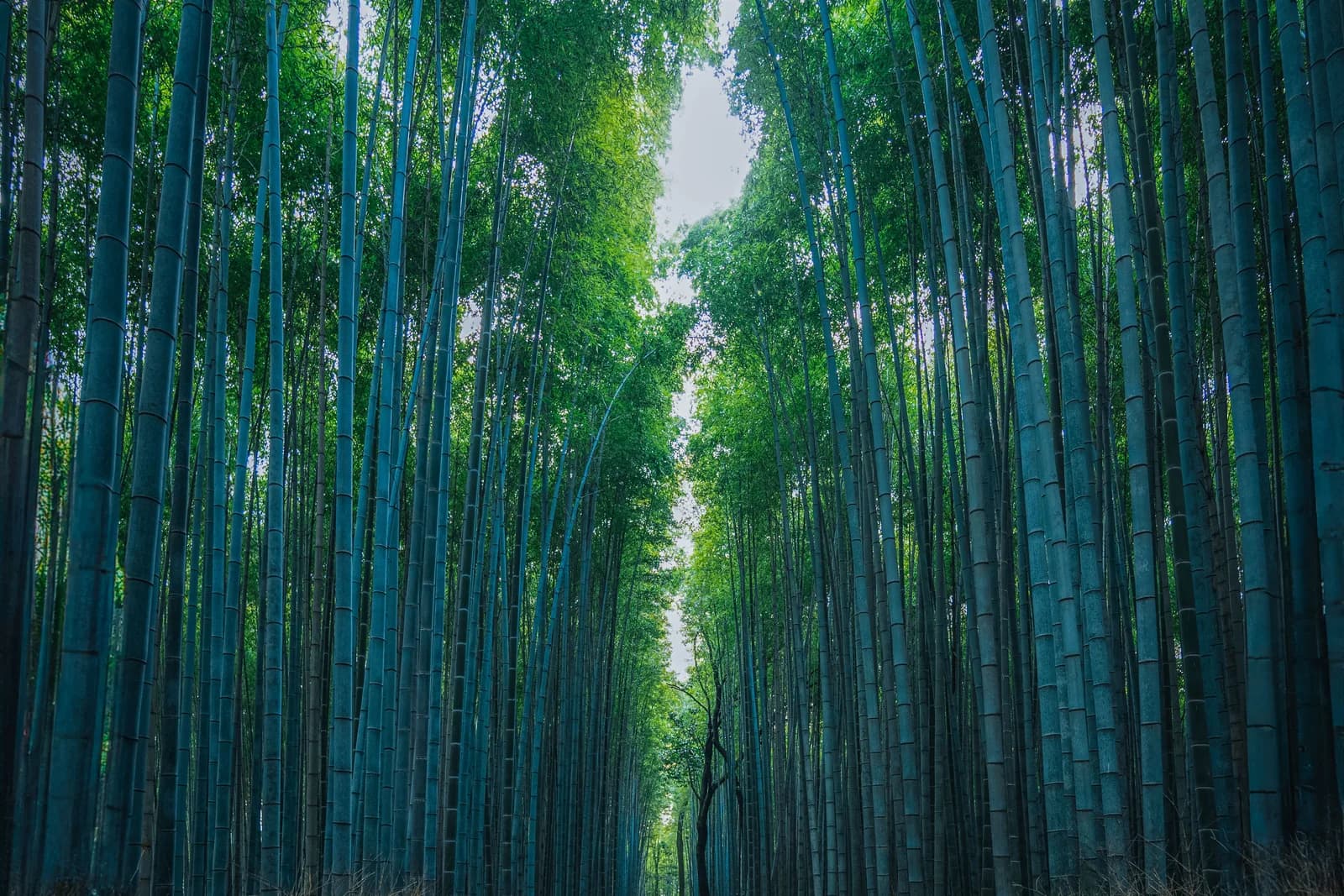
Start before tour groups peak. The main bamboo section is short and often crowded, so enter, notice the light between the stalks, and continue instead of competing for the same photograph. Keep voices low, stay on the path, and never mark or touch the bamboo.
Then choose one interior. Tenryu-ji connects garden design, mountain scenery, and history far better than a rushed look through its gate. Check official hours and admission; temples may adjust access for ceremonies or maintenance.
Let the river change the pace
Walk down toward Togetsukyo Bridge and follow the riverbank. The view opens, the soundscape changes, and benches, boats, and wooded slopes appear. On hot days, this pause helps you decide whether to climb toward another temple or explore Saga's quieter streets.
Do not try to collect every temple. Two places seen carefully say more about Kyoto than five gates passed at speed. If you want context on religion, architecture, and local customs, consider an Arashiyama guided walk. Confirm group size and which admissions are included.
Notice the neighborhood between landmarks
On smaller streets, keep left when pedestrian flow is busy, avoid blocking residential entrances, and do not photograph people without permission. Small cafés and shops work best as genuine pauses, not another checklist.
Before leaving, check which station best fits your next stop: different rail lines serve Arashiyama. Carry water, some cash, and a rain layer. This guide was verified on August 14, 2026; confirm current hours and conditions through official channels on the day of your visit.
Decide what comes after the bamboo grove
The grove can be the first passage without taking the whole morning. If you want to understand gardens and temples, choose one interior and give it time. If the landscape matters more, head toward the river and stay by the bank before deciding whether a walk through Saga still fits. These are different days; attempting every axis reduces each stop to a photograph.
A guided visit is most useful when it adds context on history, religion, or architecture that you would not get from simply walking. Compare duration, included admissions, and area covered. If the route repeats only the best-known stops and gives them little time, an independent walk may serve you better.
Sources consulted
External links may change their content and conditions without notice.
- Saga and Arashiyama area guideKyoto City Tourism Association · Accessed August 14, 2026
- Arashiyama Bamboo GroveJapan National Tourism Organization · Accessed August 14, 2026
- Tenryu-ji Temple official websiteTenryu-ji Temple · Accessed August 14, 2026
- Arashiyama travel guideInside Kyoto · Accessed August 14, 2026