Researched and produced with AI assistance, then reviewed before publication.
Between Alfama and Graça, map distance is deceptive. Stairs, sloping pavements, and alleys slow the walk, and that slower pace is exactly what lets you hear the neighborhood, notice tiles, and find views that do not appear from an avenue.
Climb with one idea, not a checklist
Begin in lower Alfama and choose one purpose for the climb: the castle, a viewpoint, or the Fado Museum. Trying to do all three in quick succession can turn the district into one continuous staircase. Shoes with grip matter because Portuguese paving becomes slippery when wet.
São Jorge Castle delivers scale and views but requires admission and time. If music and daily life interest you more, the Fado Museum offers an indoor pause and gives you a different way to listen to the neighborhood afterward.
Cross toward Graça at street pace
Between viewpoints, favor streets where you can pause without blocking doors or passage. Alfama and Graça are living neighborhoods, not sets. Keep your voice low and respect laundry, residents, and religious services.
An Alfama and Graça guided walk can explain Moorish, medieval, and popular layers that a photograph cannot. Check how many stairs the route includes and whether admission or transport is covered.
Choose one viewpoint and stay
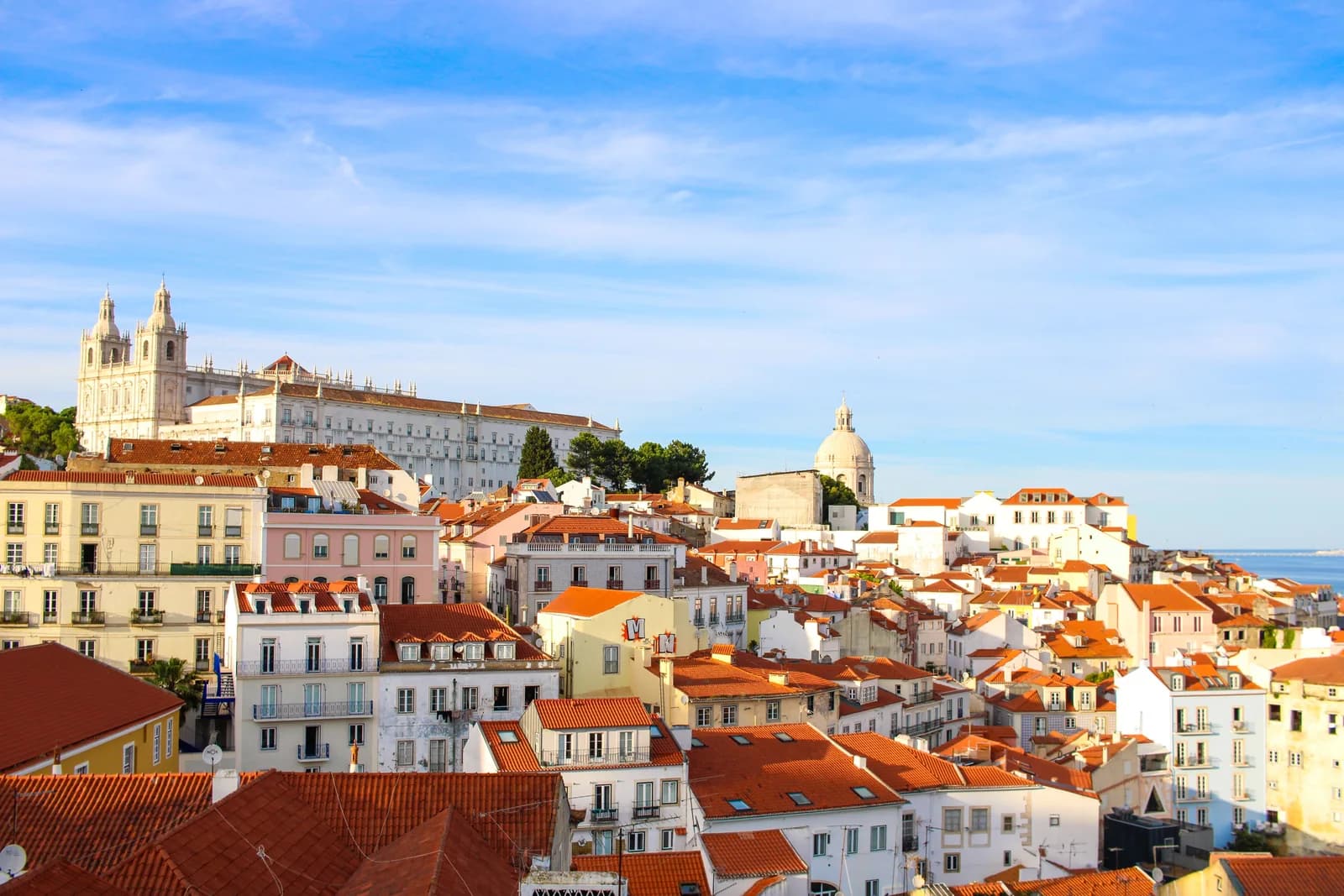
There are many overlooks, but you do not need to collect them. Choose one with shade or a nearby café and watch the roofs, the Tagus, and neighborhood movement. The experience improves when a viewpoint becomes a real stop instead of proof that you passed through.
For the descent, consider a tram, bus, or gentler route according to your energy. Historic transit can be crowded; secure valuables and make room for residents who rely on it. Carry water, sun protection, and a light layer. This guide was verified on August 14, 2026; check current hours, construction, and operations before setting out.
Choose the direction of the walk
If stairs and climbs are a limit for your group, first decide where transport would help and walk the more comfortable direction. If walking is the outing itself, pick one clear goal for the ascent and leave time to stop. The distance between Alfama and Graça on a map does not show the effort of the slopes.
Do not treat every viewpoint as a separate task. Choose one for its place on your route and the time of day; staying there can be more rewarding than walking to another just to tick it off. Before booking a guided walk, compare its meeting point, elevation change, and duration with everyone's energy.
Sources consulted
External links may change their content and conditions without notice.
- AlfamaVisit Lisboa · Accessed August 14, 2026
- Castelo de São JorgeCastelo de São Jorge · Accessed August 14, 2026
- Museu do FadoMuseu do Fado · Accessed August 14, 2026
- Lisbon neighbourhood guideLonely Planet · Accessed August 14, 2026